Empowering Communities: Our Health and Nutrition Programs

In today's world, access to proper health and nutrition is not just a privilege; it is a fundamental right. Yet, many communities face significant barriers that prevent them from achieving optimal health. Our health and nutrition programs aim to bridge this gap, empowering individuals and families to lead healthier lives. Through education, resources, and community engagement, we are making strides toward a healthier future for all.
Understanding the Importance of Health and Nutrition
Health and nutrition are intertwined aspects of our lives that significantly impact our overall well-being. Poor nutrition can lead to a host of health issues, including obesity, diabetes, and heart disease. Conversely, a balanced diet rich in essential nutrients can enhance physical health, boost mental well-being, and improve quality of life.
The Current Landscape
Many communities, particularly those in low-income areas, struggle with food insecurity and lack access to nutritious food options. According to the USDA, approximately 10.5% of households in the United States were food insecure at some point in 2020. This statistic highlights the urgent need for effective health and nutrition programs that can provide support and resources to those in need.
Our Approach to Health and Nutrition
Our health and nutrition programs are designed with a holistic approach, focusing on education, accessibility, and community involvement. Here are the key components of our initiatives:
1. Education and Awareness
Education is the cornerstone of our programs. We conduct workshops and seminars that cover various topics, including:
Understanding Nutrition Labels: Teaching community members how to read and interpret food labels to make informed choices.
Meal Planning: Providing guidance on how to create balanced meals on a budget.
Cooking Classes: Offering hands-on cooking sessions that emphasize healthy cooking techniques and the use of fresh ingredients.
By empowering individuals with knowledge, we enable them to make healthier choices for themselves and their families.
2. Access to Nutritious Food
Access to healthy food is a significant barrier for many communities. To address this issue, we have implemented several initiatives:
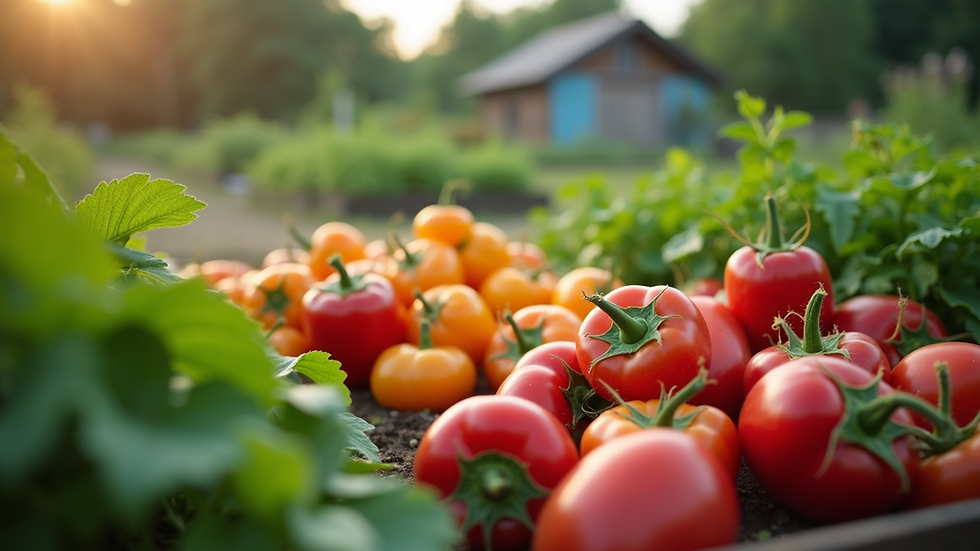
Community Gardens: We have established community gardens that allow residents to grow their own fruits and vegetables. These gardens not only provide fresh produce but also foster a sense of community and collaboration.
Food Pantries: Partnering with local organizations, we operate food pantries that distribute nutritious food to families in need. We prioritize fresh produce and whole foods to ensure that our clients receive the best possible nutrition.
Mobile Markets: Our mobile markets bring fresh produce directly to underserved neighborhoods, making it easier for residents to access healthy food options.
3. Community Engagement
Engaging the community is vital for the success of our programs. We believe that when individuals feel a sense of ownership and involvement, they are more likely to embrace healthy habits. Our community engagement strategies include:
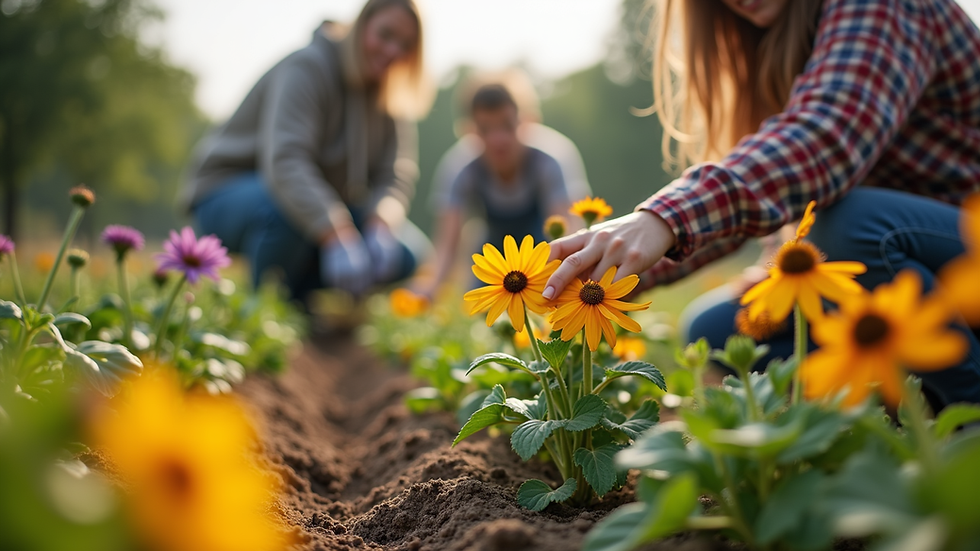
Volunteer Opportunities: We encourage community members to volunteer in our programs, whether it’s helping in the gardens or assisting with food distribution. This involvement fosters a sense of belonging and purpose.
Feedback Mechanisms: We actively seek feedback from participants to improve our programs. By listening to the community, we can tailor our initiatives to better meet their needs.
Success Stories
Our health and nutrition programs have already made a significant impact in various communities. Here are a few success stories that highlight the positive changes we have witnessed:
Case Study: The Johnson Family
The Johnson family, once struggling with food insecurity, participated in our meal planning workshops and cooking classes. With the skills they learned, they transformed their eating habits and began preparing healthy meals at home. Within six months, they reported improved health and increased energy levels, allowing them to engage more actively in their community.
Case Study: Community Garden Initiative
In a neighborhood where access to fresh produce was limited, we launched a community garden. Residents came together to cultivate the garden, and within a year, it flourished. Not only did the garden provide fresh vegetables, but it also became a gathering place for community events, fostering relationships among neighbors.
Challenges and Solutions
While our programs have seen success, we also face challenges that require ongoing attention and adaptation. Some of the common challenges include:
1. Limited Resources
Many communities lack the financial resources to sustain health and nutrition programs. To address this, we actively seek partnerships with local businesses and organizations that can provide funding or in-kind support.
2. Cultural Barriers
Cultural preferences and dietary restrictions can impact the effectiveness of our programs. We strive to be culturally sensitive by incorporating diverse food options and respecting individual dietary needs in our educational materials and food distributions.
3. Sustaining Engagement
Maintaining community engagement over time can be challenging. To combat this, we regularly host events and activities that keep participants involved and excited about our programs.
Future Directions
As we look to the future, our goal is to expand our health and nutrition programs to reach even more communities. We plan to:
Increase Outreach: By leveraging social media and local partnerships, we aim to raise awareness about our programs and attract more participants.
Enhance Educational Resources: We will develop online resources and materials to reach individuals who may not be able to attend in-person workshops.
Evaluate Impact: Ongoing evaluation of our programs will help us measure success and identify areas for improvement.
Conclusion
Empowering communities through health and nutrition programs is not just about providing resources; it is about fostering a culture of health and well-being. By focusing on education, access, and community engagement, we are making a tangible difference in the lives of individuals and families. Together, we can build healthier communities and create a brighter future for all.
As we continue this journey, we invite you to join us. Whether through volunteering, participating in our programs, or simply spreading the word, every effort counts. Together, we can empower our communities to thrive.

Comments